

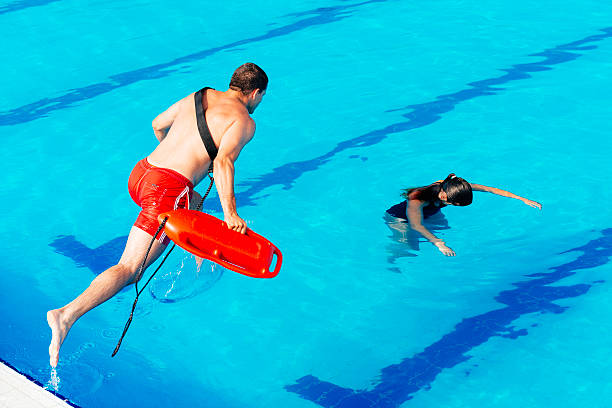
Certified Lifeguard Classes for Water Safety Careers
Professional lifeguard classes help individuals build the rescue skills and emergency response knowledge needed to protect swimmers in aquatic environments. Across the United States, swimming pools, beaches, resorts, and waterparks rely on trained lifeguards to prevent accidents and respond quickly during emergencies. Completing certified lifeguard classes is an important step for anyone interested in water safety and aquatic career opportunities.
The American Lifeguard Association provides nationally recognized lifeguard classes designed to teach CPR, first aid, water rescue techniques, and professional emergency response skills for modern aquatic safety environments.
What Are Lifeguard Classes?
Lifeguard classes are structured training programs that teach individuals how to supervise swimmers and handle emergencies in aquatic settings. These classes combine classroom instruction with practical rescue exercises to prepare students for real-life rescue situations.
Most lifeguard classes include:
- Water rescue techniques
- CPR and AED certification
- First aid procedures
- Emergency action planning
- Surveillance and prevention training
- Spinal injury management
- Team rescue exercises
These programs help students develop the confidence and skills required to become professional lifeguards.
Why Are Lifeguard Classes Important?
Aquatic emergencies can happen without warning, making professional training extremely important. Lifeguard classes help students learn how to identify dangers early and respond quickly during emergencies.
Professional training helps lifeguards:
- Prevent drowning incidents
- Protect swimmers of all ages
- Respond calmly under pressure
- Improve rescue confidence
- Maintain safer aquatic environments
Without proper training, emergency situations may become more dangerous and difficult to manage.
Who Should Join Lifeguard Classes?
Lifeguard classes near me are beneficial for many individuals interested in aquatic safety and emergency response.
Students Seeking Summer Jobs
Many teenagers and college students complete lifeguard classes to qualify for seasonal jobs at pools, beaches, and summer camps.
Strong Swimmers
People who enjoy swimming and physical fitness often pursue lifeguarding because it combines activity with responsibility.
Recreation and Pool Staff
Pool employees and swim instructors can improve their qualifications through professional rescue training.
Future Emergency Responders
Lifeguard training is valuable preparation for careers in healthcare, firefighting, emergency medical services, and public safety.
What Skills Are Learned in Lifeguard Classes?
Professional lifeguard classes focus on both rescue techniques and accident prevention.
Water Rescue Techniques
Students learn how to rescue distressed swimmers safely using approved rescue methods.
CPR and AED Training
CPR and AED instruction are critical life-saving skills included in professional lifeguard classes.
First Aid Procedures
Participants learn how to respond to cuts, fractures, burns, and breathing emergencies until medical professionals arrive.
Surveillance Skills
Lifeguards are trained to monitor swimmers carefully and identify risks before accidents happen.
Team Communication
Emergency situations often require teamwork, so students practice coordinated rescue drills and communication exercises.
How Long Do Lifeguard Classes Take?
The duration of lifeguard classes depends on the training level and certification program.
| Training Program | Average Duration |
| Basic Lifeguard Classes | 20–30 Hours |
| CPR & First Aid Certification | 4–8 Hours |
| Waterfront Lifeguard Classes | Additional Specialized Hours |
| Lifeguard Recertification | 6–10 Hours |
Many programs offer flexible schedules, including weekend and blended online learning options.
What Requirements Are Needed Before Joining Lifeguard Classes?
Before beginning certification training, students usually complete a swim evaluation to demonstrate water competency.
Common requirements include:
- Swimming a required distance continuously
- Treading water for several minutes
- Retrieving an object from deep water
- Demonstrating physical endurance
These evaluations help ensure participants can safely complete rescue training activities.
How Do Lifeguard Classes Prepare Students for Emergencies?
Emergency preparation is one of the most important parts of lifeguard education. Students participate in realistic rescue simulations that mimic actual emergencies.
Training helps students learn how to:
- Stay calm under pressure
- Perform efficient rescues
- Make quick emergency decisions
- Provide immediate medical assistance
- Coordinate with emergency responders
Repeated practice improves confidence and reaction time during stressful situations.
What Career Opportunities Come After Lifeguard Classes?
Certified lifeguards are needed in many aquatic facilities across the United States.
Career opportunities include:
- Public swimming pools
- Beaches
- Waterparks
- Hotels and resorts
- Schools and universities
- Recreation centers
- Summer camps
Many certified lifeguards later advance into leadership positions such as aquatics supervisor, head lifeguard, or swim instructor.
Why Is CPR Included in Lifeguard Classes?
CPR remains one of the most important life-saving skills for aquatic safety professionals because many emergencies involve breathing or cardiac complications.
Students are trained in:
- Adult CPR
- Child CPR
- Infant CPR
- Rescue breathing
- Choking response
- AED operation
These emergency response skills are valuable both inside and outside aquatic environments.
How Do Lifeguard Classes Benefit Communities?
Communities rely on trained lifeguards to maintain safe recreational environments for families and visitors.
Certified lifeguards help communities by:
- Preventing drowning incidents
- Responding quickly during emergencies
- Promoting water safety awareness
- Supporting safe recreation programs
- Protecting swimmers of all ages
Their training helps improve public safety and confidence at aquatic facilities.
NAP Information
Name
American Lifeguard Association
Address
8300 Boone Blvd 5th Floor
Vienna, VA 22182
Phone Number
703-761-6750
Final Thoughts
Professional lifeguard classes provide essential life-saving education for individuals who want to work in aquatic environments or develop emergency response skills. Through CPR instruction, first aid education, rescue techniques, and practical emergency simulations, students gain the knowledge and confidence needed to protect lives during real emergencies.
As swimming and recreational water activities continue growing throughout the United States, trained lifeguards remain a critical part of public safety. Aquatic facilities depend on certified professionals who can supervise swimmers, prevent accidents, and respond immediately during emergencies with professionalism and confidence.
Whether someone is pursuing seasonal employment, a long-term aquatic career, or valuable life-saving knowledge, professional lifeguard classes provide long-term benefits that support personal growth, career advancement, and community protection.


About Premium Author
This post has been authored and published by one of our premium contributors, who are experts in their fields. They bring high-quality, well-researched content that adds significant value to our platform.
.png)