

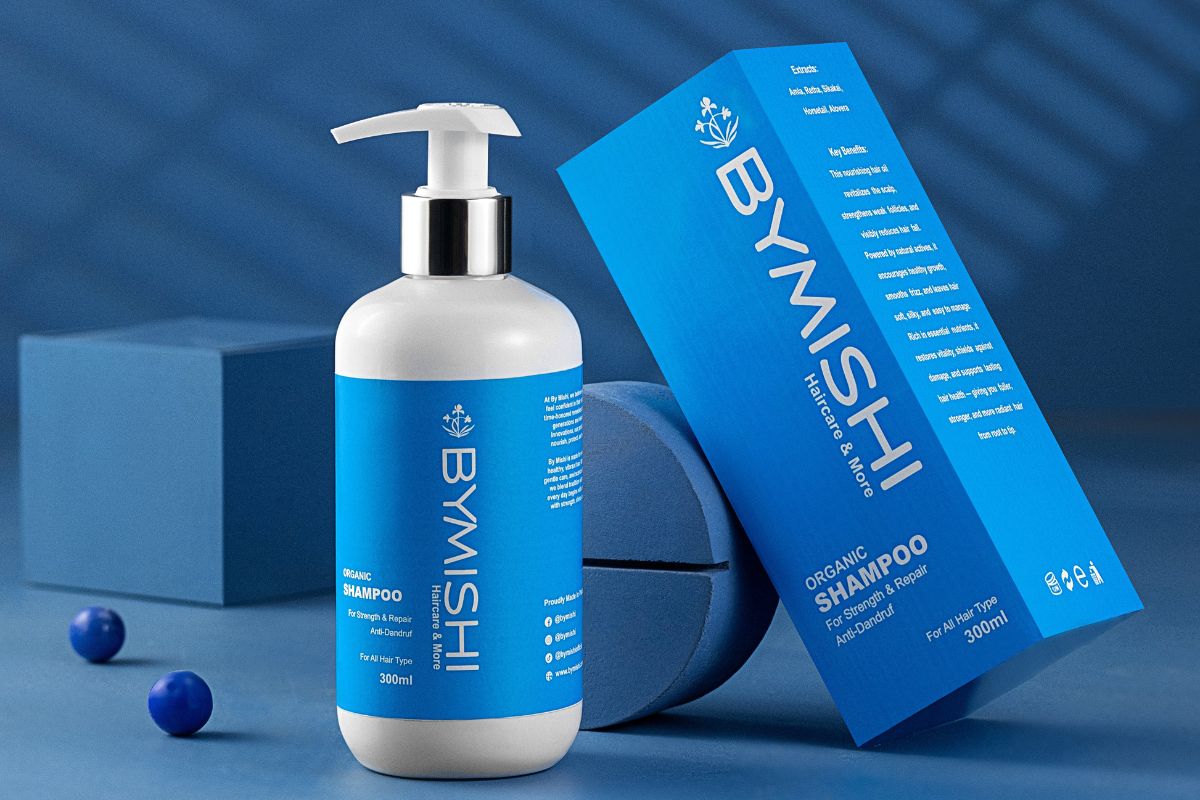
The Ultimate Guide to Pakistani Shampoo: Ingredients, Benefits
If you have ever stood in a local pharmacy or grocery store in Pakistan, staring at rows upon rows of shampoo bottles, you know how overwhelming the experience can be. The market for Pakistani shampoo has grown tremendously over the past two decades, offering consumers a wide variety of options from herbal and natural formulations to salon-grade products. But with so many choices available, how do you actually know which one is right for your hair? T
Why Pakistani Shampoo Is Unique
Pakistan is a country with diverse climate zones from the humid coastal air of Karachi to the dry, dusty atmosphere of Multan and the cold, mountainous regions of Gilgit-Baltistan. This diversity means that hair care needs vary widely across the population. Pakistani shampoo formulations, especially those developed by local manufacturers, often take these regional differences into account. They are designed to combat issues like excessive scalp oiliness caused by humidity, dryness triggered by desert-like weather, and hair damage resulting from hard water.
Beyond climate, cultural hair care traditions play a big role. The use of natural oils like coconut oil, mustard oil, and almond oil has been a part of Pakistani households for generations. This is why so many Pakistani shampoo products are infused with these traditional ingredients because the local consumer is not just looking for something that cleans their hair; they want a product that nourishes, strengthens, and respects the deep-rooted relationship Pakistanis have with natural hair care.
Key Ingredients to Look For
When selecting any Pakistani shampoo, the ingredient list is your best friend. Here are some key components worth knowing about:
Henna (Mehndi): A staple in South Asian beauty rituals, henna is a natural conditioner that strengthens hair strands, adds shine, and can subtly enhance the color of dark hair. Many locally produced formulas proudly feature henna as a headline ingredient.
Neem Extract: Known for its antibacterial and antifungal properties, neem is powerful against dandruff and keeps the scalp healthy. If you struggle with an itchy scalp or persistent flaking, neem-infused options are worth exploring.
Coconut Oil: Deep conditioning and highly moisturizing, coconut oil penetrates the hair shaft to reduce protein loss and is especially beneficial for dry or color-treated hair.
Black Seed (Kalonji): Revered in Islamic tradition and widely used in South Asian households, black seed oil is packed with antioxidants and nutrients that support hair growth and reduce shedding. A Pakistani shampoo enriched with kalonji is particularly popular among those experiencing thinning hair.
Egg Protein: Used to repair damaged hair and restore elasticity, egg protein is a common ingredient in nourishing formulas designed for brittle or chemically treated hair.
Common Hair Problems Pakistani Shampoo Addresses
One of the most talked-about reasons people turn to Pakistani shampoo is hair fall. Due to hard water, nutritional deficiencies, hormonal changes, and high stress levels all common in Pakistan's fast-paced urban lifestyle hair fall is a widespread concern. Anti-hair fall formulas typically include strengthening proteins, caffeine, and natural oils that target the root cause of shedding.
Dandruff is another major issue. The combination of pollution, sweat, and irregular washing habits creates an ideal environment for dandruff-causing fungi to thrive. Anti-dandruff variants are among the best-selling categories in the country, incorporating ingredients like zinc pyrithione, selenium sulfide, or natural alternatives such as tea tree oil and neem.
Dryness and frizz are ongoing battles too, particularly in cities where water quality is poor and heat styling is common. Moisturizing formulas enriched with natural butters and oils help restore hydration balance and tame unruly hair, giving it a smooth, manageable finish.
How to Choose the Right Pakistani Shampoo for Your Hair Type
Choosing the right Pakistani shampoo comes down to understanding your hair type and scalp condition:
- Oily Hair and Scalp: Go for a clarifying or volumizing formula. Look for ingredients like salicylic acid, lemon extract, or green tea that regulate sebum without stripping the scalp entirely.
- Dry or Damaged Hair: Opt for a moisturizing or repair-focused formula. Ingredients like keratin, argan oil, and shea butter restore softness and shine beautifully.
- Normal Hair: A balanced, everyday formula works perfectly. Choose something gentle that cleans without over-drying and maintains your hair's natural vitality.
- Sensitive Scalp: Reach for a sulphate-free option. Sulphates can cause irritation and over-drying for those with sensitive skin, and the market now offers many gentle alternatives at accessible price points.
The Rise of Herbal and Organic Options
Over recent years, there has been a noticeable shift in consumer preferences toward herbal and organic Pakistani shampoo products. With growing awareness about the harmful effects of parabens, sulphates, and synthetic fragrances, more Pakistanis — especially younger, urban consumers are actively seeking out cleaner formulas. Small and medium-sized local businesses have capitalized on this trend by launching handcrafted, plant-based products made from locally sourced herbs.
These organic options often feature ingredients sourced directly from Pakistan's own rich botanical landscape including rose water from the fields of Khushab, saffron from the northern regions, and aloe vera grown across Punjab. The result is a growing category of Pakistani shampoo that feels both locally rooted and globally competitive in terms of quality and ingredient transparency.
Tips for Getting the Most Out of Your Routine
Even the best Pakistani shampoo will underperform if it is not used correctly. A few practical tips to maximize results:
Always wet your hair thoroughly before applying product. This helps distribute the shampoo evenly and allows it to lather properly. Apply it to your scalp rather than the lengths the scalp is where oil and buildup occur, while the ends simply need the rinse-off.
Massage gently in circular motions. This stimulates blood circulation to the hair follicles, encouraging growth, while also loosening debris effectively. Avoid vigorous scrubbing, which causes breakage and scalp irritation.
Rinse with cool or lukewarm water. Hot water strips away natural oils, leaving hair dry and prone to frizz. A cool final rinse also seals the hair cuticle and boosts shine.
Finally, do not wash your hair every single day unless absolutely necessary. Over-washing removes the scalp's natural protective oils. For most hair types, two to three washes per week strikes the right balance between cleanliness and maintaining natural hair health.
To Read More Blog: Women's Vests Guide to Style Trends and Empowerment
Final Thoughts
The world of Pakistani shampoo is far richer and more diverse than many people realize. Whether you are drawn to time-honored herbal recipes passed down through generations or modern formulas backed by science, there is a Pakistani shampoo perfectly suited to your needs. The key is to stay informed, read your labels, understand your hair's unique requirements, and give your chosen product enough time to show real results. Hair care is not a one-night miracle it is a consistent, thoughtful routine. And with the right product in your shower, that routine becomes not just effective but genuinely enjoyable.



About Premium Author
This post has been authored and published by one of our premium contributors, who are experts in their fields. They bring high-quality, well-researched content that adds significant value to our platform.
.png)